
Mid‑Term Rentals & Digital Nomads on the Costa Blanca

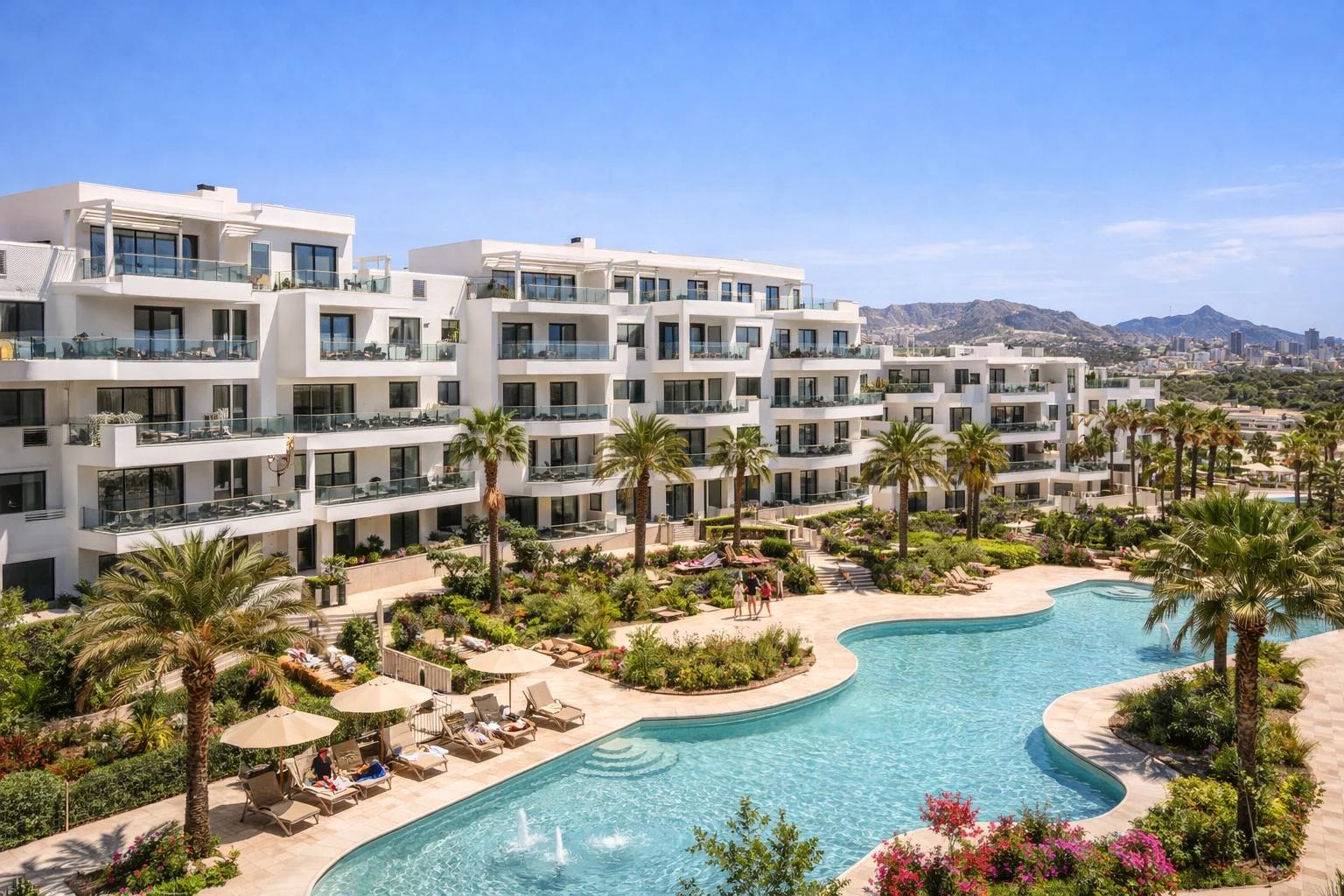
Remote work has become a permanent fixture of modern life. Spain’s Digital Nomad Visa—created by the 2022 Start‑Up Law—allows non‑EU citizens to live and work in Spain for up to a year if they can show annual earnings of around €33,000, limit Spanish income to 20 % and benefit from a 24 % flat tax on earnings. Spain topped the 2025 Global Digital Nomad Report, cementing its status as the world’s leading remote‑work destination. Coastal hubs such as Málaga, Valencia and Alicante are attracting an influx of affluent professionals seeking a sunny lifestyle, good healthcare and high‑speed internet. This influx has created a chronic shortage of comfortable rentals and is reshaping local property markets.
The mid‑term rental segment—leases of one to eleven months—has surged. Market data show that demand for furnished mid‑term rentals has risen about 94 % year on year, with average rents around €14.50 per m² and gross yields of roughly 5–7 % housingcostablanca.com. Tenants are often digital nomads or families testing life on the Costa Blanca before buying. Landlords appreciate the flexibility of mid‑term contracts, which avoid Spain’s five‑year tenant protections for long‑term leases and allow properties to be switched between holiday lets, mid‑term and long‑term options.
There are challenges too. Municipalities are tightening regulations on short‑term holiday rentals and require licences to curb nuisance and speculation. Investors must check zoning and local rules before buying. Since Spain abolished its real‑estate golden‑visa route on 3 April 2025, the Digital Nomad Visa has become the obvious pathway for foreign buyers, further boosting demand for temporary housing. Those who invest wisely can tap into a growing, international client base and healthy returns.