The power of a modern real-estate website on the Costa Blanca
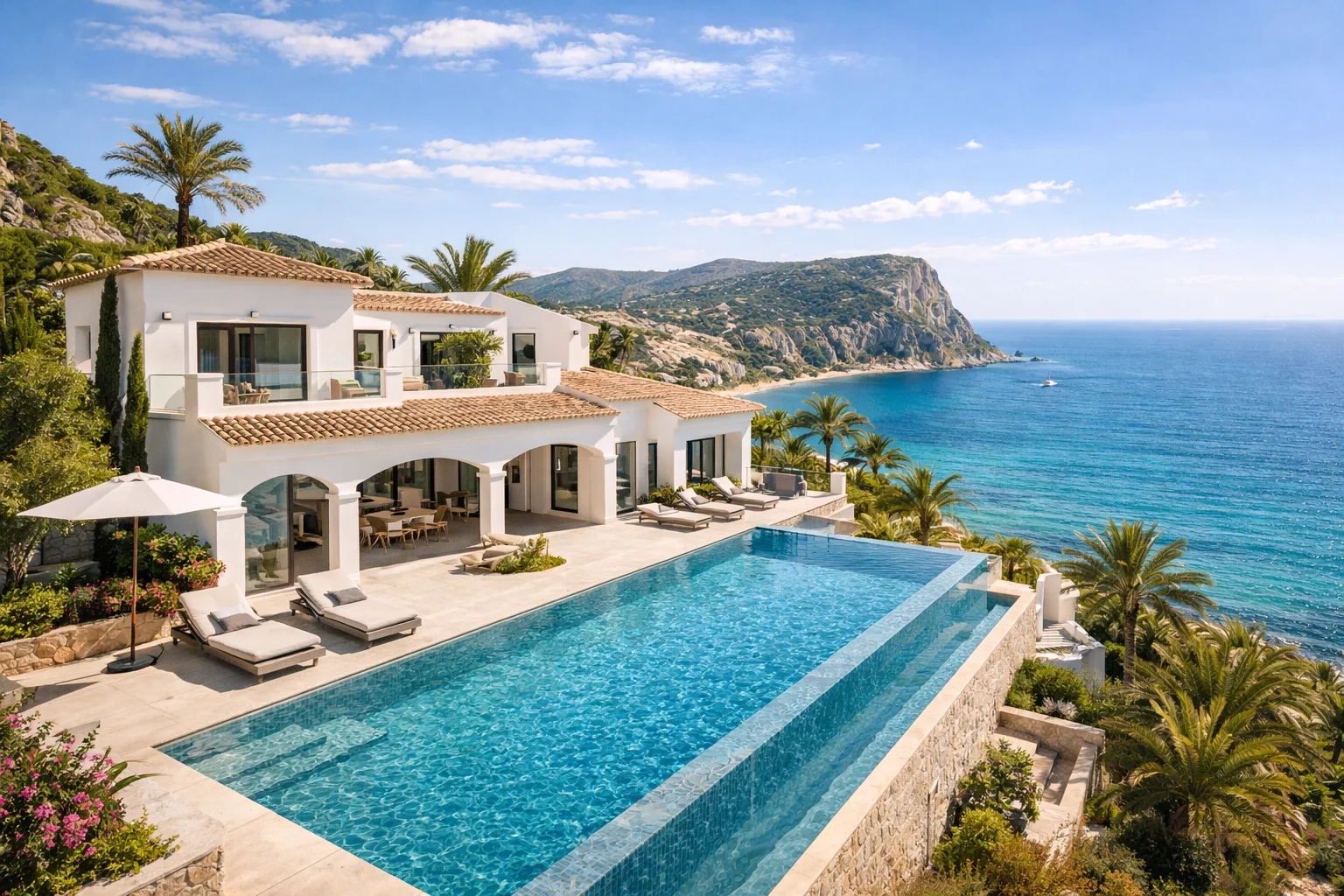
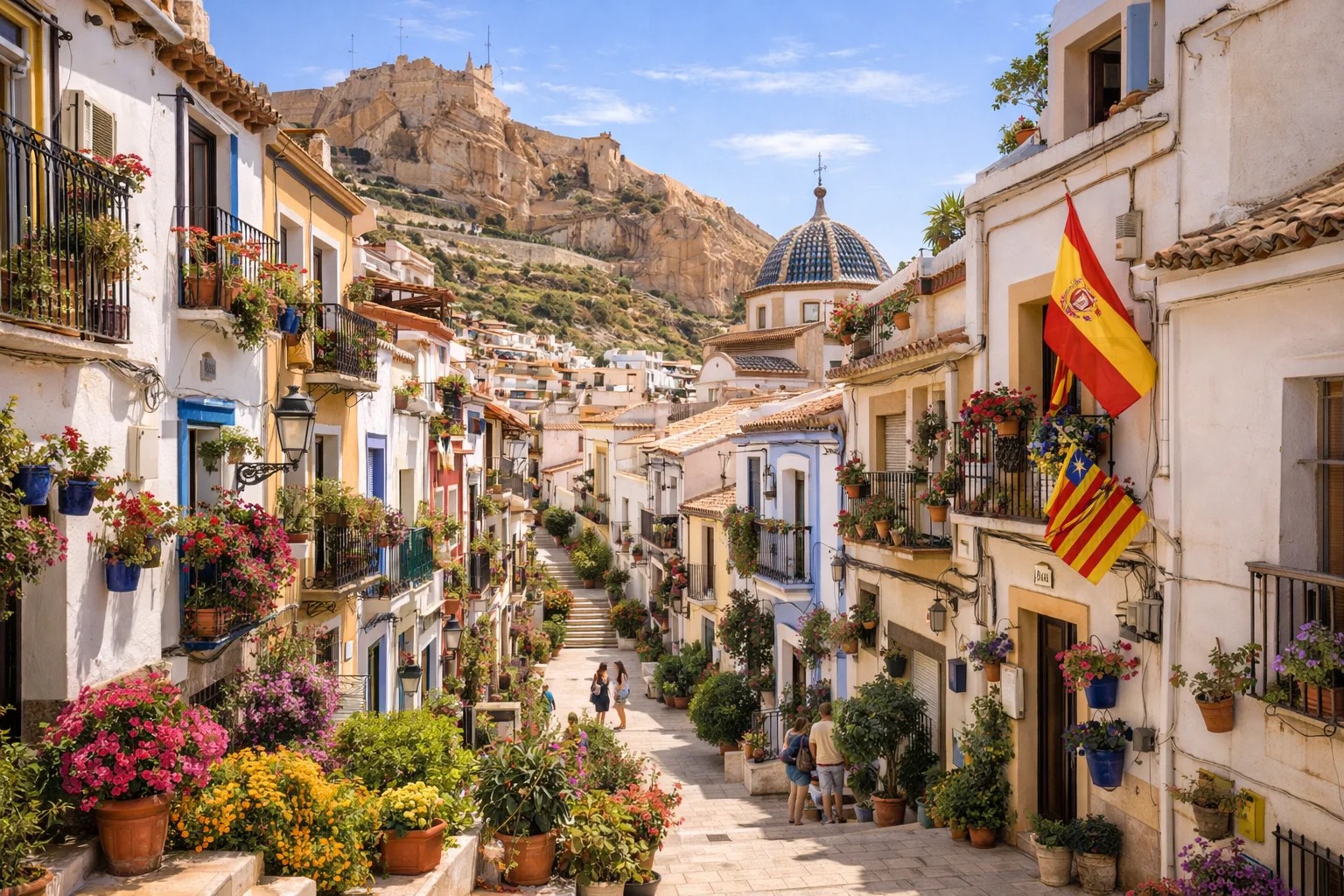
The Costa Blanca has become one of the most dynamic and fast-growing real-estate regions in Spain. From Denia to Torrevieja, from Jávea to Orihuela Costa — buyers come from all over Europe. Competition increases every year, buyers expect more, and the first impression they get online often determines whether they decide to contact an agency or not.
And that’s where many agencies still fall behind.
Outdated websites, slow pages, unclear navigation or listings that feel more like a catalogue than an experience — all of this creates one outcome: visitors leave within seconds. And every visitor that leaves is a missed sale.
1. Your website defines the first impression
Real estate is emotional. People don’t just buy a home — they buy a feeling of trust and security. Your website is the first moment where a potential buyer decides whether they feel comfortable with you.
A cluttered or slow website says:
“I don’t invest in my business.”
A clean, fast, modern website says:
“You can trust me. I am professional.”
Those first seconds shape everything that comes after.
2. International buyers expect an international experience
A large percentage of Costa Blanca buyers come from abroad: Dutch, Belgian, British, German, Scandinavian clients and more. They are used to modern, multilingual platforms and want a clear process that speaks their language — literally.
A modern real-estate website offers:
- Multiple languages
- Tailored content per market
- Local expertise + international service
- Transparent buying information
If an agency doesn’t offer that level of clarity, buyers simply move to someone who does.
3. Speed directly affects sales
Buyers are impatient. A page that loads in 8–10 seconds is enough reason to close the tab. Modern websites load instantly — especially when built with fast frameworks and smart CRM integrations.
Speed improves:
- Number of pages viewed
- Time on site
- Conversion rate
- Lead quality
A fast website = more chances to sell.
4. Better presentation means better results
A home can be beautiful, but if the website compresses photos too much, displays them incorrectly or loads them slowly, the impact is lost.
A strong real-estate website includes:
- High-quality images
- Video support and 3D tours
- Fullscreen galleries
- Correct mobile scaling
- Neighborhood information
You’re not just showing homes — you’re creating an experience buyers can imagine themselves in.
5. Trust before transaction
Buying property abroad is a big step. If a buyer doesn’t feel safe, they will not contact the agency. Trust is the foundation of the entire process.
Your website should highlight:
- How you work
- Your team
- Client reviews
- Buying process explained clearly
- Local Costa Blanca knowledge
- Why investing here makes sense
Trust sells more homes than any property listing.
6. A website that works for you — 24/7
Modern agencies don’t rely on manual work. Their websites act as automated engines:
- Sync with CRM systems like Inmovilla
- Automatically updated listings
- Lead forms connected to WhatsApp or email
- Analytics to see what buyers want
- Smart search filters that guide the buyer
Your website becomes your most consistent employee — always online, always converting.
7. Why many agencies still struggle
A lot of real-estate sites are made with slow templates, too many plugins, or outdated builders. They look okay from a distance, but they don’t convert. And converting is what matters.
A strong site is not the one with the most pages.
It’s the one that tells the strongest story.
Conclusion
The Costa Blanca market moves fast — but the agencies who grow are the ones who adapt even faster. A modern real-estate website is not just a cosmetic upgrade. It’s the core of your marketing, your trust-building, your lead generation, and your sales strategy.
A powerful website doesn’t just show homes.
It helps you sell them.